Featured curriculum case study SR1 C.O.O.L.™ Summer Camp A complete five-week K–4 learning experience—from curriculum maps and classroom resources to educational games and digital media. Explore the case studyClose Summer Camp case study
Flagship program

SR1 C.O.O.L.™ Summer Camp

For SR1’s 14th Annual College Preparatory & STEM Academy Summer Camp, I designed the complete five-week K–4 learning experience—curriculum maps, lesson plans, activity guides, classroom resources, educational games, and digital learning experiences.

K–4 Curriculum 5 Weeks Games + Media
Five-week journey

Five weeks.

One connected learning journey across health, college readiness, culture, coding, and STEM. Select a week to see the learning story, classroom moment, and featured game.

“A complete learning experience is more than a lesson plan. It is a journey students can feel themselves inside.”Kitty’s design approach for SR1 Summer Camp
See it in action

The curriculum, brought to life.

The 2026 SR1 Summer Camp Memory Book captures the scholars, educators, experiments, and joyful moments that grew from the five-week learning journey.

2026 SR1 Summer Camp Memory Book

Where curiosity sparked, creativity flourished, and connections lasted.

A visual record of the complete experience—from health and life skills to college readiness, cultural learning, computer science, and the STEM Capstone Showcase.

What I created

Built for both the student and the classroom.

Curriculum maps

Clear weekly learning sequences that connect learning objectives, big ideas, skills, activities, and outcomes.

Teacher resources

Activity guides, materials, facilitation notes, and classroom-ready routines.

Digital experiences

Games, interactive tools, books, and media that extend learning beyond the page.

Beyond Summer Camp

More ways I design learning.

A focused selection of curriculum, schoolwide experiences, and learning systems across K–12.

In progress

Currently building

Active learning products and programs in development.

Learning product leadership

C.O.O.L. Kids Learning Hub

Role
Project Lead & Lead Learning Designer
Timeline
Spring 2026–Present

Leading a standards-aligned, character-driven learning product for young learners.

See why & outcomeClose details
Product vision
Reimagine established C.O.O.L. Kids characters as a playful learning hub where young children enter subject worlds, follow a story, and discover learning through exploration rather than menus.
Curriculum system
Built a standards-to-activity map that connects early math and literacy skills with games, printable practice, videos, and hands-on learning—so every experience has a clear instructional purpose.
Experience design
Created the MVP UX guide around a consistent Story → Problem → Play → Success → Return learning flow, with character guidance, touch-friendly interactions, gentle feedback, and meaningful celebrations.
Team alignment
Turn weekly planning conversations into clear, readable decision documents that keep the artist, full-stack developer, and learning-design work aligned on scope, content, assets, and next steps.
K–12 course system design

K–12 Programs (LMS-Agnostic)

Role
Lead Learning Designer
Timeline
Summer 2025–Spring 2026

A platform-flexible course system that turns individual activities into coherent, accessible K–12 learning pathways.

Open the case studyClose case study
My role
Lead Learning Designer — I defined the course architecture, reusable templates, accessibility expectations, and development workflow that support consistent delivery across K–12 programs.
Starting point
Strong learning activities existed, but they were being developed independently. Without a shared course structure, learner progression, instructor expectations, and assessment alignment could vary from one program to the next.
Design decision
I designed the system around instructional structure rather than a specific learning platform. That choice keeps the work stable while technology decisions evolve and allows the same design to translate across in-person, blended, and online settings.
Course architecture
I created a repeatable framework that connects a syllabus, course map, modular learning sequence, assessments, and instructor guide—so objectives, learning activities, and evidence of learning work together from the beginning.
Accessibility by design
UDL-informed guidance is built into the system: multiple ways to access information, participate, practice, and show understanding. Accessibility is part of the structure, not a final-stage add-on.
Instructor support
Clear templates and facilitation guidance reduce unnecessary decisions for instructors, making it easier to focus on learner support, responsive teaching, and confident implementation.
Implementation evidence
The system has been tested through instructor-led, in-person course delivery and is designed to carry the same learning logic into blended and online formats as programs grow.
What changed
Course development can now move from one-off activity creation toward a shared, scalable process—supporting a more consistent experience for learners and a more efficient workflow for the team.
01 · FrameMap the learning promise

Clarify the learner, outcomes, progression, and evidence that will show learning.

02 · SystematizeBuild the reusable structure

Connect templates, modules, assessments, and instructor guidance into one dependable course framework.

03 · TranslateAdapt without losing quality

Carry the same learning design across different programs, instructors, delivery modes, and future platforms.

Representative structures are shown here; full course materials and platform configurations remain confidential.

STEM curriculum development · K–4

K–4 Science Learning Lab

Role
STEM Learning Designer & Curriculum Developer
Status
Currently building

Designing a 5E, inquiry-based K–4 science curriculum that connects classroom learning with a purposeful field experience at the Mississippi Museum of Natural Science.

See the learning-lab designClose details
Design opportunity
A field trip can be memorable yet disconnected from classroom instruction. I am designing this experience to turn a planned visit to the Mississippi Museum of Natural Science into an authentic learning lab where students can investigate ideas they have already begun exploring in class.
Learning framework
The curriculum uses the 5E instructional model—Engage, Explore, Explain, Elaborate, and Evaluate—alongside inquiry-based learning. Students build questions before the visit, gather evidence during it, and return ready to make meaning and apply what they learned.
Age-appropriate materials
Materials are being designed for K–4 learners with clear visual supports, hands-on investigations, accessible vocabulary, short teacher prompts, and multiple ways for students to observe, communicate, and demonstrate understanding.
Teacher implementation
Curriculum maps, lesson plans, educator facilitation guides, student investigation tools, and before-and-after learning activities will help teachers connect the field experience to everyday science instruction with confidence.
Before · Engage + ExploreBuild questions in class

Teachers introduce a phenomenon, activate prior knowledge, and invite students to make predictions before the field experience.

At the museum · Explore + ExplainInvestigate in a real setting

Observation prompts and student-friendly tools help learners collect evidence, notice patterns, and connect exhibits to their questions.

After · Elaborate + EvaluateExtend learning beyond the visit

Classroom activities help students synthesize discoveries, apply concepts in a new context, and reflect on how their thinking changed.

Representative structures are shown here; full curriculum materials and partner implementation plans remain confidential.

Completed work

Courses & experiences

Designed, delivered, and ready to revisit.

Course design · high school

Mobile App Design with Thunkable

Role
Lead Learning Designer
Timeline
Summer 2025

A three-day app-design sprint from inspiration to a working prototype.

See why & outcomeClose details
Design challenge
Give high school learners a clear, confidence-building first experience with app design and block-based coding—without requiring previous programming experience.
Learning environment
Used Thunkable’s Design, Blocks, and Live Test spaces so learners could build an interface, create logic, and test their app in the same workflow.
Self-paced support
Created a Padlet tutorial library with plain-language walkthroughs for the Thunkable interface, components, assets, block logic, variables, text input, and live testing—so learners could revisit a skill or move at their own pace.
Outcome
Students planned, designed, coded, tested, refined, and shared working apps while using Padlet to exchange questions, tips, screenshots, and peer feedback.
Day 1Explore & rebuild

Investigate what apps do, then rebuild a simple social-media app.

Day 2Design & code

Design an original social app and begin connecting interface actions with code blocks.

Day 3Polish, showcase & vote

Test and refine the app, publish it to the Padlet App Board, and invite peers to vote.

Schoolwide learning design

STEM Day Experiences

A joyful outdoor STEM experience with 10 all-ages investigation stations.

See why & outcomeClose details
Design challenge
Create a joyful, accessible STEM Day where learners of different ages could investigate scientific ideas through making, movement, play, and discovery.
What I designed
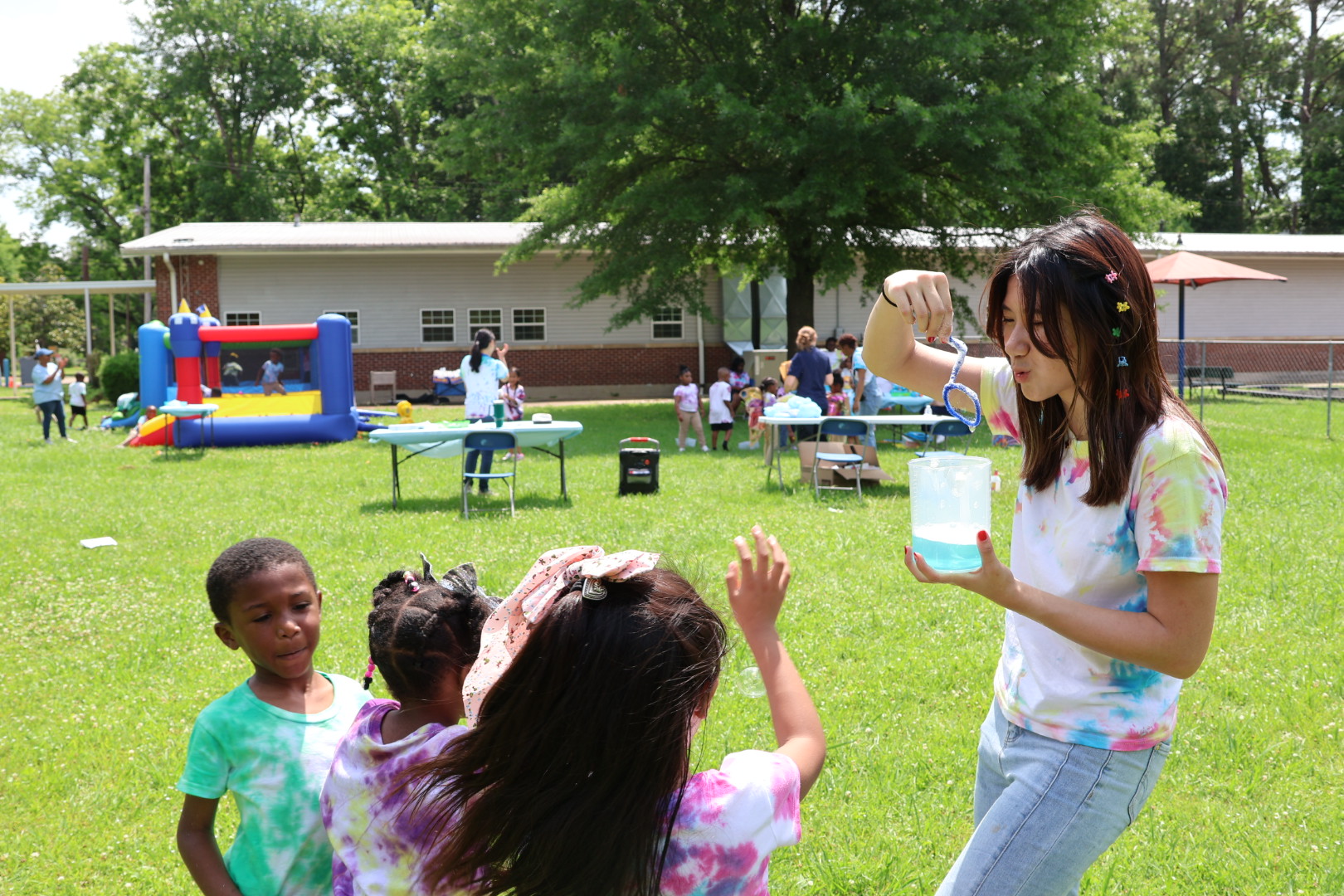
Planned 10 activity stations across earth science, chemistry, physics, engineering, math, technology, and life science—from volcanic eruptions and water rockets to robotics, drone mapping, sundials, and bubble wands.
Signature experience
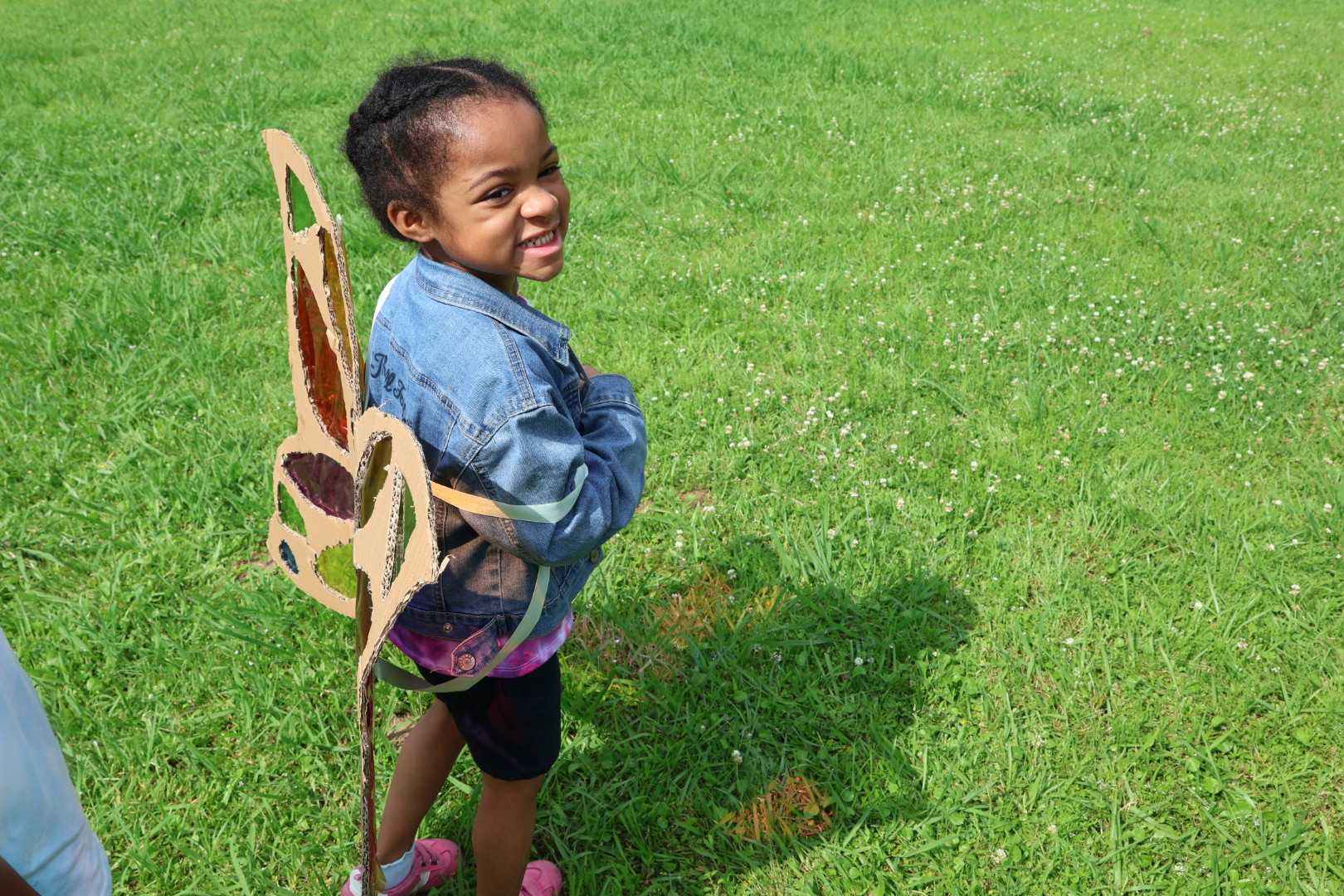
Hand-cut cardboard butterfly wings invited children to explore how sunlight, shadow, movement, and materials change what they see.
Outcome
A vibrant outdoor learning day with many entry points into STEM. Shared tie-dye shirts helped make the event feel like one connected learning community.
Young learner wearing handmade cardboard butterfly wings outdoors
Butterfly wings turned light, shadow, and movement into a child-led investigation.
Kitty facilitating an outdoor STEM activity with children wearing tie-dye shirts
Outdoor STEM exploration brought learners together in their tie-dye STEM Day shirts.
Learning systems

Whole-system design

Learning environments that work beyond a single lesson or course.

LMS strategy & implementation

Moodle LMS Analysis & Implementation

Collaborative platform research, selection, and implementation planning for SR1’s learning ecosystem.

See why & outcomeClose details
Challenge
SR1 needed a flexible learning system that could support K–12 and adult programs, multiple learning formats, educator workflows, accessibility, and organization-wide reporting.
Research & selection
With the EdTech team, I helped translate stakeholder needs into evaluation criteria and compare Moodle Workplace with other LMS options across customization, integrations, course delivery, reporting, usability, and long-term scalability.
Implementation blueprint
After Moodle was selected, I contributed to planning user roles and access, program architecture, learner segmentation, enrollment pathways, platform navigation, CRM–LMS data exchange, governance, and reporting requirements.
Outcome
A research-backed implementation roadmap that gives SR1 a shared foundation for configuration, course development, migration, training, and sustainable platform operations.
Interactive career exploration

SR1 Future Pathways

Role
Lead Learning Designer
Focus
Career + college exploration

A guided digital experience that helps young people connect their interests with possible careers, majors, schools, and programs.

See the learning experienceClose details
Why I built it
Many SR1 students have not had a simple, low-pressure way to connect what they enjoy today with the college, career, and program choices around them. I built Future Pathways as a practical shared resource that makes those possibilities more visible and approachable.
Community purpose
The experience gives SR1 students and families a welcoming place to begin future planning together. It helps turn a big question—“What could I become?”—into smaller, meaningful next steps they can explore with confidence.
Learning interaction
A short interest check opens into six pathways—such as technology, health, creative arts, and community leadership—so learners can explore directions that feel personally meaningful.
Connected choices
Pathway exploration links interests to careers, majors, Mississippi schools, and programs, helping students see how today’s curiosities can connect to real community resources and future options.
Design insight
Future planning works best as an invitation to explore, not a demand to decide. Clear language and approachable choices make room for curiosity, reflection, and support.